How Many Additional Hormones Are Added to Beef
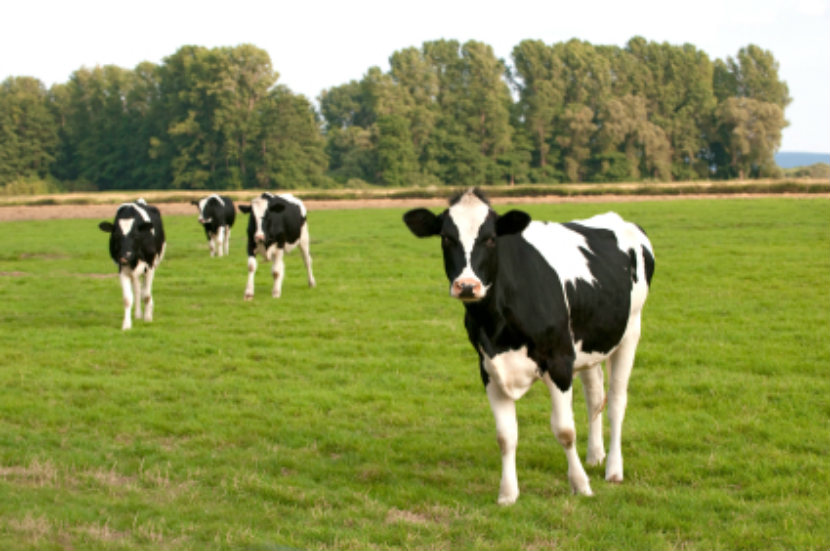
Hormones and antibiotics tin be used in food production in Canada. Read on to learn how they are used and what steps are in identify to make sure our nutrient is prophylactic to eat.
How are growth hormones used in food production?
Hormones occur naturally in all animals, people and plants so there is no such matter as hormone-free beefiness. Withal, you may run across labels that say "no added growth hormones". This means that added hormones were not used during product.
In Canada, growth hormones are only approved for use in cows for beef product (beefiness cattle). They help to produce leaner beefiness at a lower toll to consumers by helping cows convert the nutrient they swallow into musculus more quickly and easily.
Growth hormones are non permitted for use in cows that produce milk. They are also not used in poultry and pork production.
How are antibiotics used in food production?
Keeping animals healthy is a top priority for farmers and animal veterinarians. Antibiotics are medicines farmers can use (with veterinarian supervision) to:
- Treat sick animals
- Prevent disease in animals and fruit crops
- Manage disease
- Promote growth (in some animals)
Antibiotics are approved for use in beef, dairy cattle, chickens, laying hens, turkeys, pork and fish. They may also be sprayed on fruit and given to love bees. All antiobiotics used with subcontract animals must run into Health Canada's strict standards for human and animal safety.
There are concerns that the use of antibiotics in animals can lead to people condign resistant to antibiotics. This is a serious trouble that Wellness Canada is currently addressing past putting in policies to reduce take a chance.
Are there hormones and antibiotics in the foods we eat?
Health Canada sets maximum levels of hormones and antibiotics that tin can be left in nutrient. These limits are set at levels far below the amount that could pose a health concern. Routine tests are also washed to make sure these are followed to ensure our food is safe. Examination results from the Canadian Food Inspection Bureau testify that hormone and antibody levels are rarely found to be to a higher place the recommended levels.
How are growth hormones and antibiotics regulated?
Health Canada highly regulates the use of growth hormones and antibiotics in Canada. To protect human and animate being health, and the safety of our food supply, Health Canada:
- Reviews hormones and antibiotics for prophylactic before approving them.
- Monitors the safety, quality and effectiveness of growth hormones and antibiotics.
- Sets rules for the proper use of hormones and antibiotics. For example, no milk from a cow beingness treated with antibiotics can be sold.
- Sets maximum limits for hormones and antibiotics that tin be left in food.
How are growth hormones and antibiotics monitored?
It's the job of the Canadian Food Inspection Agency to monitor the use of growth hormones and antibiotics. Food produced in Canada and other countries is regularly and randomly tested to cheque the prophylactic levels of hormones and antibiotics. If the standards are not met, the nutrient can be removed from the food supply.
What near organic foods?
Organic food is not allowed to be produced with the utilise of added growth hormones or antibiotics.
Bottom line
The utilise of approved hormones and antibiotics to produce food is considered safe. Health Canada sets maximum levels that tin can exist left in nutrient. These limits are ready based on levels far below the amount that could pose a wellness concern if eaten daily over a lifetime. If y'all are concerned about the use of hormones or antibiotics, you may choose to eat organic foods.
You may also exist interested in:
All about Beefiness
All about Pork
All about Poultry
Agreement Organic Foods
Understanding Genetically Modified Foods
Last Update – September 14, 2019
Source: https://www.unlockfood.ca/en/articles/farming-food-production/hormones-and-antibiotics-in-food-production.aspx
0 Response to "How Many Additional Hormones Are Added to Beef"
Post a Comment